

How Printed Box Mockups Help You Finalize Better Packaging Designs
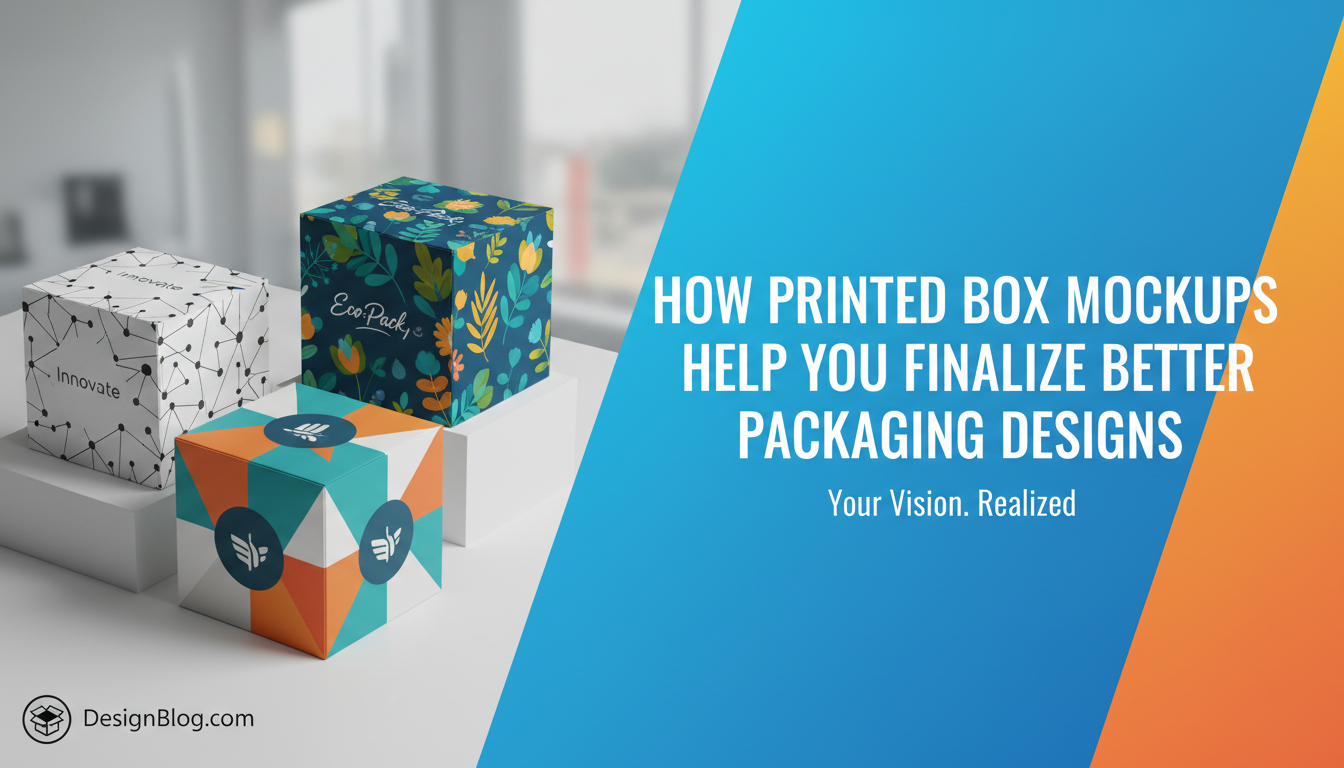
Creating packaging that grabs attention on retail shelves while keeping the product safe inside directly impacts your sales. When you finalize a design that offers high visibility, strong protection, and clear branding, you position your item to succeed the moment it hits the market. Good packaging does more than just hold an item. It communicates quality, tells a story about your business, and shields the contents from damage during shipping. Securing these benefits early in the planning phase saves you time and protects your budget.
The biggest hurdle in this process is relying on flat, two-dimensional dielines. Staring at a flat PDF often leads to costly miscalculations, as folds and flaps obscure key artwork. You might think a design looks perfect on a computer screen, only to find the graphics wrap awkwardly around the corners. Creating a 3D digital or physical mockup solves this issue immediately. Seeing a proper representation of your Printed Box allows you to spot awkward text placements and color clashes before you send the files to the printing press. This step removes the guesswork and gives you a true picture of the final product.
Spot Costly Design Errors Early
When designers wrap flat artwork around a three-dimensional shape, unexpected things happen. A logo might bleed over a sharp crease. Important warning labels might end up hidden on the bottom flap instead of showing clearly on the back panel. Reviewing a mockup helps you fix these misalignments quickly. You see exactly where every graphic lands. This prevents situations where you print thousands of units, only to realize your main product title sits completely off-center. Catching a spelling mistake or a misplaced barcode on a sample costs almost nothing. Catching that same mistake after producing ten thousand units causes major financial losses and delays your product launch.
Choose the Right Structure for Your Needs
Not every product fits cleanly into a standard square carton. You often need to test various closing mechanisms and structural shapes to see what works best for your specific item. Trying out different options through physical or 3D samples saves you from ordering the wrong packaging type. For example, testing Tuck End Box Styles through a mockup shows you exactly how the top and bottom flaps interact. You can verify that the closure is secure, tight, and easy for the customer to open. Choosing the correct structural design ensures the packaging remains intact while sitting on retail shelves or traveling through the mail system.
Confirm Material Strength and Protection
Visual appeal matters, but your packaging must also protect what sits inside. A physical mockup provides a reliable chance to test the structural integrity of your chosen material. You can place your actual product inside the sample to check the physical fit. If the item rattles around inside, you know you need to shrink the dimensions or add protective inserts. If the cardboard feels too flimsy to support the weight of a heavy glass jar, you can switch to a thicker corrugated material before committing to a massive production run. Proper physical protection cuts down on product return rates and keeps your buyers happy.
Speed Up the Team Approval Process
Getting a final decision from managers, clients, or stakeholders takes valuable time. Most people struggle to visualize how a flat dieline will look once folded and glued. Handing a stakeholder a fully formed 3D mockup removes the mental effort. They can spin the sample around, read the text on the side panels, and see the exact physical proportions. This clear visual presentation prevents misunderstandings and gets you that final approval much faster. You avoid long email chains filled with questions about where the barcode goes or how the front panel looks. Everyone on the team clearly understands the final output.
Fine-Tune Brand Colors and Typography
What looks great on a brightly lit computer monitor often appears completely different when printed on actual paper stock. A physical color-matched mockup shows you how your branding actually looks in real-world lighting conditions. You might notice that your primary brand color prints much darker on matte cardboard, or that a certain font style is simply too small to read from a few feet away. Catching these visual problems at the mockup stage guarantees your final packaging presents your brand exactly the way you want it to. You can adjust the contrast, swap out difficult fonts, and ensure your logo remains highly visible.
Save Money and Reduce Production Waste
Skipping the mockup phase might seem like a fast way to get your product to the market. However, skipping this vital testing step usually causes expensive errors. When a serious design flaw makes it to the final printing stage, you lose the money spent on raw materials and the time spent waiting for the order to arrive. Mockups act as a reliable insurance policy for your overall budget. Spending a small amount of time and money on a sample run protects your entire project budget from unexpected disasters. You keep unnecessary waste out of local landfills and keep your profit margins strictly intact.
Build Customer Trust Through Quality Packaging
When a buyer picks up your product, the packaging is the very first thing they touch and feel. If the text looks blurry or the cardboard bends too easily, the buyer assumes the product inside lacks quality. Mockups give you the opportunity to perfect that critical first impression. By testing the tactile feel of the coating and the sharpness of the printed graphics, you ensure the buyer receives a premium experience. High-quality packaging builds trust and encourages repeat purchases.
Finalizing a packaging design requires careful attention to detail. Using mockups gives you the clarity you need to make confident decisions. You secure better product visibility, guarantee strong physical protection, and present a professional brand image. Testing your design visually and physically ensures your final production run matches your exact expectations.

