


Why Poor Safety Arrangements Lead to Serious Workplace Accidents
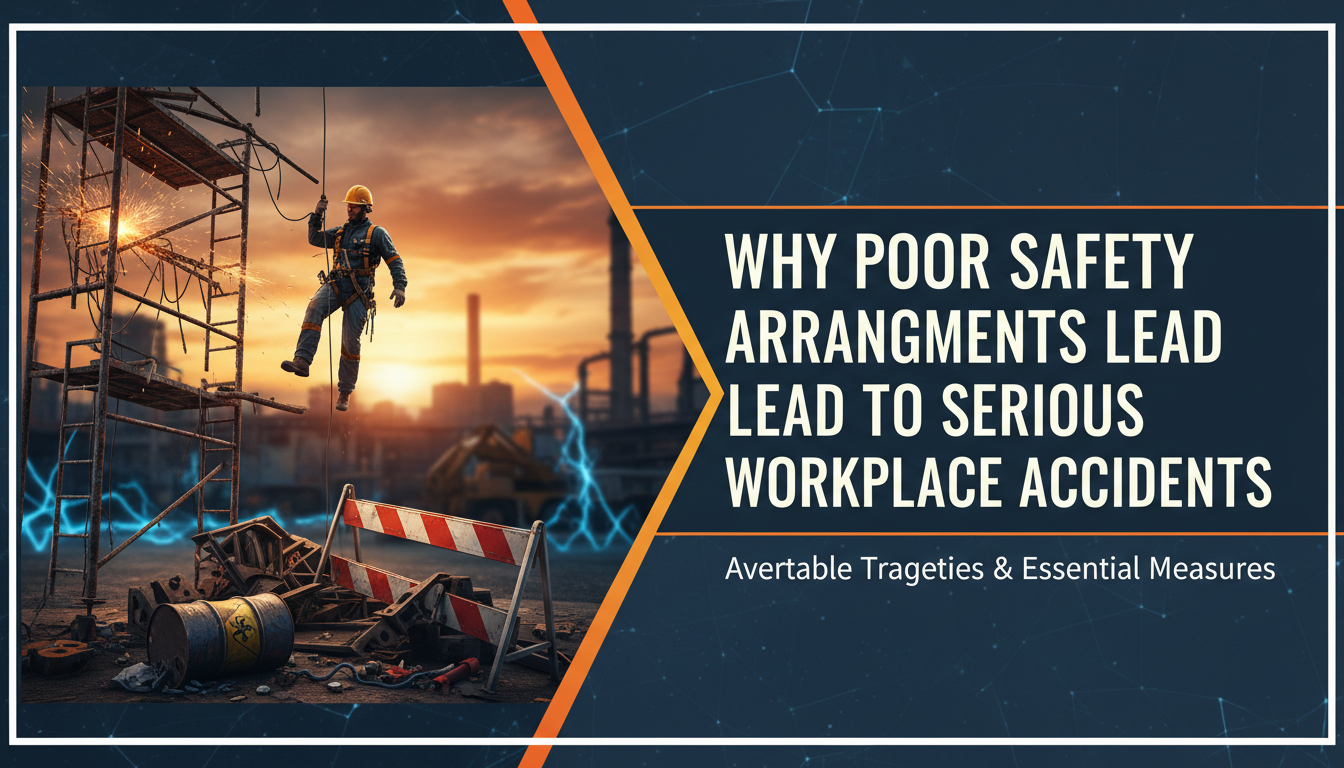
Workplace accidents rarely happen out of nowhere. In most cases, they are the result of small oversights that build up over time. A missing guardrail, unclear instructions, or poorly maintained equipment can quietly create dangerous conditions. Workers may continue their routines unaware of the risks until a serious incident occurs.
This is why structured safety knowledge matters. Professionals who pursue an OSHA Certificate often begin to see workplaces differently. They learn to identify hazards that others might overlook and understand how minor safety gaps can escalate into life-altering accidents.
Understanding What “Poor Safety Arrangements” Really Means
When people hear the phrase “poor safety arrangements,” they often imagine extreme negligence. In reality, it usually involves everyday issues that go unnoticed or unaddressed.
It can include things like:
-
Lack of proper safety training
-
Inadequate supervision
-
Missing or faulty protective equipment
-
Poor communication about risks
-
Ignoring minor incidents or near-misses
For example, in a small warehouse, workers might regularly climb unstable shelves to reach items. It becomes routine. No one questions it until one day someone slips and falls, leading to a serious injury.
Poor safety is not always dramatic. It is often subtle, gradual, and normalized.
The Chain Reaction of Unsafe Conditions
Workplace accidents rarely stem from a single cause. They are usually the result of a chain of events.
Step 1: Hazard Creation
A hazard might be introduced through poor planning or neglect. For instance, a construction site may lack proper scaffolding inspection.
Step 2: Risk Exposure
Workers interact with the hazard repeatedly. Over time, they may become comfortable with unsafe practices.
Step 3: Trigger Event
A small change, such as wet weather or fatigue, turns the hazard into an active danger.
Step 4: Accident Occurs
The result could be a fall, equipment failure, or injury that could have been prevented earlier.
A real-life example can be seen in manufacturing plants where machines are used without proper guarding. Workers adapt their movements to avoid injury until one moment of distraction leads to a severe accident.
Common Causes of Poor Safety Arrangements
Understanding the root causes helps prevent repetition. Most workplace accidents can be traced back to a few recurring issues.
Lack of Training
Employees who are not properly trained may not recognize hazards. They may also misuse equipment without realizing the risks.
For example, a new worker operating a forklift without proper instruction might not understand load limits or safe turning practices.
Weak Safety Culture
If management does not prioritize safety, employees are less likely to follow protocols. A culture that values speed over safety often leads to shortcuts.
Inadequate Equipment Maintenance
Machines and tools require regular inspection. Ignoring maintenance can lead to unexpected failures.
A worn-out cable or faulty brake system may seem minor until it causes a serious incident.
Poor Communication
Safety instructions must be clear and consistent. Miscommunication can lead to confusion and unsafe actions.
For instance, if hazard signs are unclear or not visible, workers may unknowingly enter dangerous zones.
Ignoring Near Misses
Near misses are warning signs. When organizations fail to investigate them, they miss opportunities to prevent future accidents.
Real-World Impact of Workplace Accidents
The consequences of poor safety arrangements go far beyond the immediate injury.
Physical and Emotional Effects
Injuries can range from minor cuts to life-changing disabilities. Workers may also experience stress, anxiety, or loss of confidence after an incident.
Operational Disruptions
Accidents can halt operations, delay projects, and affect productivity. Even a single incident can create ripple effects across an organization.
Legal and Compliance Issues
Failure to meet safety standards can result in penalties or legal complications. Organizations may also face reputational damage.
Team Morale
When workers feel unsafe, morale drops. A workplace that experiences frequent accidents often struggles with trust and engagement.
How Poor Safety Planning Shows Up in Different Industries
Safety issues vary depending on the work environment, but the underlying patterns are similar.
Construction Sites
-
Missing protective gear
-
Unstable scaffolding
-
Lack of fall protection systems
A worker climbing without a harness may feel confident until one misstep leads to a fall.
Manufacturing Units
-
Unguarded machinery
-
Improper handling of tools
-
Overexposure to noise or chemicals
In many cases, repetitive tasks increase the risk of complacency.
Offices and Indoor Workspaces
-
Poor ergonomics
-
Cluttered walkways
-
Electrical hazards
Even simple issues like loose cables can cause injuries.
Warehousing and Logistics
-
Improper stacking of goods
-
Unsafe lifting techniques
-
Poor lighting conditions
A poorly stacked pallet can collapse unexpectedly, causing serious harm.
Practical Steps to Improve Workplace Safety
Improving safety does not always require complex systems. Often, it starts with consistent and thoughtful actions.
Conduct Regular Risk Assessments
Identify hazards before they become problems. Walk through the workplace and evaluate potential risks.
Provide Clear Training
Ensure every employee understands their role in maintaining safety. Training should be practical and easy to apply.
Maintain Equipment Properly
Regular inspections and timely repairs can prevent many accidents.
Encourage Open Communication
Workers should feel comfortable reporting hazards or concerns without fear.
Learn from Incidents
Every accident or near miss should be analyzed. Understanding what went wrong helps prevent repetition.
Simple Daily Safety Checklist
-
Are all tools in good condition?
-
Are walkways clear?
-
Is protective equipment being used correctly?
-
Are warning signs visible and clear?
Small checks like these can make a significant difference.
The Role of Safety Awareness in Prevention
Awareness is often the first line of defense. When workers understand risks, they make better decisions.
Consider a technician working with electrical systems. Without proper awareness, they might skip safety procedures to save time. With proper knowledge, they recognize the dangers and follow protocols carefully.
Safety awareness is not just about rules. It is about mindset. It encourages workers to pause, think, and act responsibly.
Building a Strong Safety Culture
A safe workplace is not created by policies alone. It requires a shared commitment.
Leadership Responsibility
Managers and supervisors must lead by example. When leaders prioritize safety, employees follow.
Employee Involvement
Workers should be part of safety discussions. Their insights often highlight practical risks.
Continuous Improvement
Safety is not a one-time effort. It requires ongoing evaluation and adaptation.
For example, a company that regularly updates its safety procedures based on employee feedback is more likely to prevent accidents.
Learning Pathways and the Importance of Structured Training
Formal training plays a critical role in building safety awareness and practical skills. It helps individuals understand regulations, risk assessment methods, and preventive strategies.
Choosing the right training program matters. Learners should look for courses that combine theory with real-world applications. Practical examples, case studies, and interactive learning often lead to better understanding.
Programs like the OSHA 30 hour Certification are often considered by individuals who want a deeper understanding of workplace safety practices. These structured courses guide learners through hazard identification, compliance standards, and effective safety management.
Before enrolling, it is helpful to review the course structure, teaching approach, and overall learning environment. The goal is not just to complete a program but to gain knowledge that can be applied in real situations.
Frequently Asked Questions
What is the most common cause of workplace accidents?
The most common cause is a lack of proper safety awareness and training. Many accidents occur when workers do not fully understand the risks involved in their tasks.
How can small safety issues lead to major accidents?
Small issues, like a loose cable or missing guard, can escalate over time. When combined with other factors, they create conditions for serious incidents.
Why are near misses important?
Near misses are early warning signs. They highlight potential hazards before an actual accident occurs, allowing preventive action.
Is safety training necessary for all employees?
Yes, safety training benefits everyone, regardless of role. Even office workers face risks that can be minimized through awareness.
How often should safety checks be conducted?
Safety checks should be regular and consistent. Daily checks for basic conditions and periodic detailed inspections are recommended.
Conclusion
Workplace accidents are rarely random events. They are often the result of overlooked hazards, weak safety practices, and lack of awareness. Poor safety arrangements create conditions where risks grow silently until they lead to serious consequences.
By focusing on training, communication, and proactive risk management, organizations can significantly reduce accidents. Structured learning, practical awareness, and a strong safety culture all play a vital role in prevention.
Ultimately, safety is not just about compliance. It is about protecting people, building trust, and creating environments where everyone can work with confidence.

